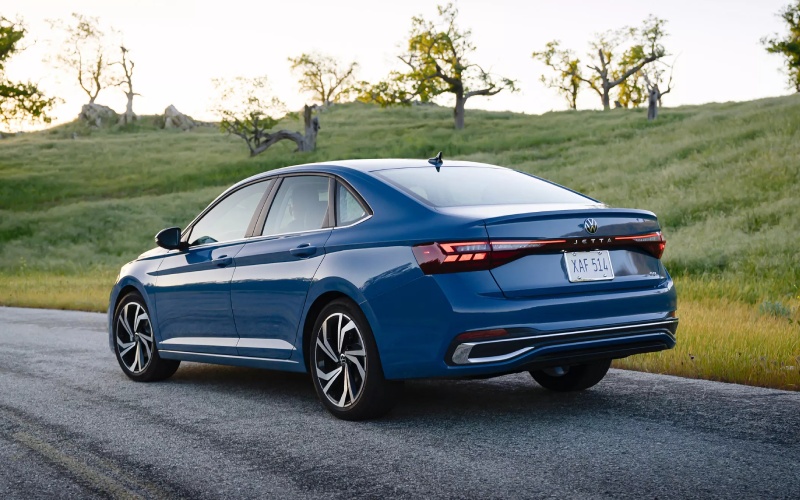
CardinaleWay Volkswagen Corona - Which sedan handles SoCal freeways better — the 2026 Volkswagen Jetta or 2026 Toyota Corolla around Chino, CA?
When shoppers around Chino, CA compare the 2026 Volkswagen Jetta and the 2026 Toyota Corolla, one of the most common questions is simple: which sedan feels more confident on busy freeways and quick surface-street sprints? Both are compact, tech-forward, and impressively safe. But their driving characters—and how they help you navigate daily traffic—are notably different. This guide focuses on freeway composure, passing response, and the small features that reduce fatigue when your commute includes the 60, 71, or 91.
The Jetta’s hallmark is easy torque from its standard turbocharged engine. Without diving into numbers, what matters is the feel: you get useful shove right off idle, so short merges and rolling passes demand less pedal effort. That calm, quiet response is especially welcome when traffic opens for a few seconds and you need to move decisively. The Corolla’s 2.0-liter gas engine is smooth and well-mannered, but because it’s naturally aspirated it tends to wake up higher in the rev range. The Corolla Hybrid flips the script—prioritizing relaxed efficiency—and while it’s agreeable, it won’t deliver the same surge you feel in the Jetta when gaps appear.
How each sedan keeps you settled mile after mile
Ride comfort is shaped by more than tire size. The Jetta’s tuning is focused on composure, filtering out the background hum of expansion joints so the cabin stays conversation-quiet. Features like available ventilated front seats and heated rear outboard seats add a layer of everyday luxury that you’ll appreciate more at the end of a long drive than on a quick test loop. The Corolla is tidy and secure, with well-damped motions, and its available 12.3-inch digital gauge cluster adds a premium touch. Still, the Jetta’s restrained, cohesive interior presentation—plus standard digital gauges across the lineup—often feels easier to live with over time.
Both sedans deliver modern assistance. Jetta models include standard IQ.DRIVE®, which can provide hands-on, semi-automated support through features like Travel Assist, Adaptive Cruise Control, and Lane Assist. Corolla models include Toyota Safety Sense 3.0, adding Pre-Collision System with Pedestrian Detection, Lane Tracing Assist, Full-Speed Range Dynamic Radar Cruise Control, and more. The difference comes down to integration: the Jetta’s turbo torque and assistance systems work together to minimize how much you need to prod the throttle or fuss with steering corrections, and that synergy reduces fatigue when traffic ebbs and flows.
Controls, screens, and the “live with it” factor
Interfaces matter as much as horsepower when you use them every day. The Jetta’s available 10.25-inch Digital Cockpit Pro offers clear mapping of driver information, and the infotainment layout places core actions close to hand. Wireless App-Connect® is available, and available wireless charging keeps the center console uncluttered. Toyota counters with available 12.3-inch gauges and its 10.5-inch multimedia touchscreen, plus wireless Apple CarPlay and Android Auto compatibility. Feature-for-feature, both deliver. Yet the Jetta’s mix of physical controls with a modern display footprint and the extra comfort options make it feel a half-step more considered when you’re juggling morning coffee and lane changes.
Quick takeaways for freeway-focused shoppers
- Throttle feel: Jetta’s turbo builds speed smoothly with light pedal inputs, ideal for on-ramp merges and rolling passes.
- Cabin calm: Both are quiet, but Jetta’s ride tuning plus available ventilated front seats lower perceived fatigue on longer drives.
- Assistance harmony: Standard IQ.DRIVE® pairs nicely with the turbo’s torque to reduce micro-corrections in variable traffic.
Does that mean the Corolla isn’t a smart pick? Not at all. The Corolla’s dependability, available hybrid option, and TSS 3.0 safety tech keep it firmly in the conversation. If your priority leans toward maximum ease in day-to-day freeway dynamics, though, the Jetta’s power delivery and polished cabin comforts give it the edge.
Frequently Asked Questions:
Is the Jetta’s turbo helpful at city speeds or just on the highway?
It’s helpful everywhere. Turbo torque arrives early, so you can make small, smooth speed adjustments without revving the engine hard—great for short merges and lane changes.
Do both sedans offer wireless smartphone integration?
Yes. The Jetta offers Wireless App-Connect® on select trims, and the Corolla provides wireless Apple CarPlay and Android Auto compatibility across the lineup.
Which sedan offers more upscale seat comfort options?
The Jetta stands out with available ventilated front seats and heated rear outboard seats, two features not offered on Corolla.
How do the driver assistance suites compare?
Jetta includes standard IQ.DRIVE® with hands-on, semi-automated support; Corolla includes Toyota Safety Sense 3.0. Both reduce driving stress; the Jetta’s torque delivery complements its assistance for smoother transitions when traffic flow changes.
If you’re mapping out test drives, consider alternating between surface streets and freeways to capture each car’s character in real conditions. That contrast often highlights the Jetta’s smooth, ready torque and quieter, more composed ride over the kind of commutes many SoCal drivers face.
For personalized guidance and a no-pressure walk-through of trims and features, connect with CardinaleWay Volkswagen Corona—serving Riverside, Chino, and Ontario. We’ll help you pinpoint the features that matter for your commute and set up a route that reflects your real driving day.